
Posted on May 11, 2026
Image Credit:
File ID 73422765 | © Kiosea39 | Dreamstime.com
Share: 


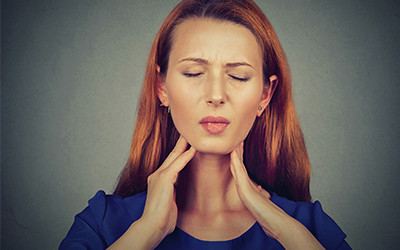
Jaw alignment plays a critical role in maintaining healthy teeth, comfortable chewing, and proper oral function. When the upper and lower jaws work together correctly, they help distribute bite pressure evenly and support efficient movement during speaking and eating. Misalignment, however, can place excessive strain on the teeth, muscles, and jaw joints over time.
Patients seeking Castle Rock dental care often focus on tooth appearance, but jaw function is equally important for maintaining long-term oral health. Providers specializing in cosmetic and family dentistry evaluate both aesthetics and function to help patients maintain healthier, more balanced smiles.
Jaw alignment refers to how the upper and lower jaws fit together when the mouth closes. Ideally, the teeth should make balanced contact while allowing the jaw joints to move comfortably and efficiently.
When alignment problems occur, the bite may become uneven. This imbalance can affect chewing patterns, speech, and even facial muscle comfort. A trusted Castle Rock dentist can evaluate bite alignment during routine exams and identify signs of strain or dysfunction before they worsen.
Poor jaw alignment often places excessive pressure on certain teeth. Over time, this uneven force may lead to enamel wear, chipping, fractures, or tooth sensitivity. Misaligned bites can also contribute to teeth grinding, which increases stress on the teeth and surrounding muscles.
Patients receiving Castle Rock dental care may not initially realize that worn teeth or recurring discomfort are linked to jaw function. Providers focused on cosmetic and family dentistry often evaluate bite patterns when addressing ongoing tooth damage or uneven wear.
The temporomandibular joints, commonly called the TMJ, connect the jaw to the skull and allow smooth movement during speaking and chewing. Improper alignment can strain these joints and contribute to TMJ disorder symptoms.
Common signs associated with TMJ-related issues include:
A qualified Castle Rock dentist can determine whether jaw alignment contributes to these symptoms and recommend treatment options that improve function and comfort.
Jaw alignment affects more than comfort alone. Poor bite function can make chewing less efficient and may influence speech patterns or facial muscle fatigue. In some cases, patients unconsciously adjust their chewing habits to compensate for imbalance, which can increase strain on the jaw over time.
Providers specializing in cosmetic and family dentistry often focus on restoring balanced bite function as part of comprehensive treatment planning. Improving alignment supports healthier oral movement and reduces stress on surrounding structures.
Treatment for jaw alignment concerns depends on the severity and underlying cause of the issue. Some patients benefit from orthodontic care, while others may require restorative treatment or custom oral appliances.
The following approaches are commonly used to improve jaw alignment and bite function:
Patients seeking Castle Rock dental care often benefit from personalized treatment plans designed to improve both appearance and function. Correcting alignment issues can also reduce long-term wear and discomfort.
Maintaining proper jaw alignment supports healthier teeth, gums, and jaw joints throughout life. Balanced bite function helps distribute chewing forces evenly and reduces the likelihood of excessive tooth wear or joint strain.
Patients who receive care through cosmetic and family dentistry services may experience improvements in comfort, chewing efficiency, and smile appearance. Regular evaluations with a trusted Castle Rock dentist help ensure that developing alignment concerns are identified early and addressed appropriately.
Routine dental visits are essential for monitoring jaw alignment and overall oral function. Small bite issues can gradually worsen over time if left untreated, making early intervention an important part of preventive care.
A provider offering comprehensive Castle Rock dental care can monitor changes in bite patterns, tooth wear, and jaw movement during routine exams. Preventive evaluations help reduce the risk of future complications and support healthier long-term outcomes.
Jaw alignment influences nearly every aspect of oral function, from chewing and speaking to protecting teeth from excessive wear. When the bite is balanced properly, patients are more likely to maintain healthier teeth and experience greater comfort during everyday activities.
With support from a knowledgeable Castle Rock dentist and personalized treatment through cosmetic and family dentistry, patients can improve jaw function, reduce strain, and protect their long-term oral health for years to come.

CLEANING & EXAM
Regular dental cleanings and exams are essential for maintaining optimal oral health.

LASER DENTISTRY
Laser dentistry offers a precise and minimally invasive approach to a variety of dental treatments.

SLEEP APNEA: Nightlase™
NightLase™ is a non-invasive, laser treatment designed to reduce the effects of snoring.

COSMETIC DENTISTRY
Personalized treatments, such as veneers, and bonding, giving you a confident, radiant look.
SEDATION
Sedation dentistry helps you relax during dental procedures, ensuring a stress-free experience.

INVISALIGN®
Offering a clear, comfortable way to straighten your teeth.

DENTAL IMPLANTS
Dental implants are a durable solution for replacing missing teeth.

WISDOM TEEH
Wisdom teeth extractions are a common procedure to prevent overcrowding and alleviate pain.

With a focus on personalized treatment plans and the latest dental technologies, we ensure each patient receives the highest standard of care, whether it's preventive, cosmetic, or restorative dentistry.


Cookie Preferences | Cookie Consent | Privacy Policy
Nothing contained on or offered by or through this website should be construed as medical advice and should not be relied upon for medical diagnosis or treatment. By accessing this website you understand and agree to communication by phone, voicemail, email, or text.

 (303) 660-5576
 smile@meadowsfamilydentistry.com
 3740 Dacoro Lane, Suite #115